A useful hydraulic breaker maintenance record connects the equipment, the applicable instructions and the work actually completed. It helps an operator, workshop and purchasing team refer to the same breaker and the same component history. Begin with a clear equipment record, then add maintenance entries without replacing the instructions for the specific product.
Give each breaker its own equipment record
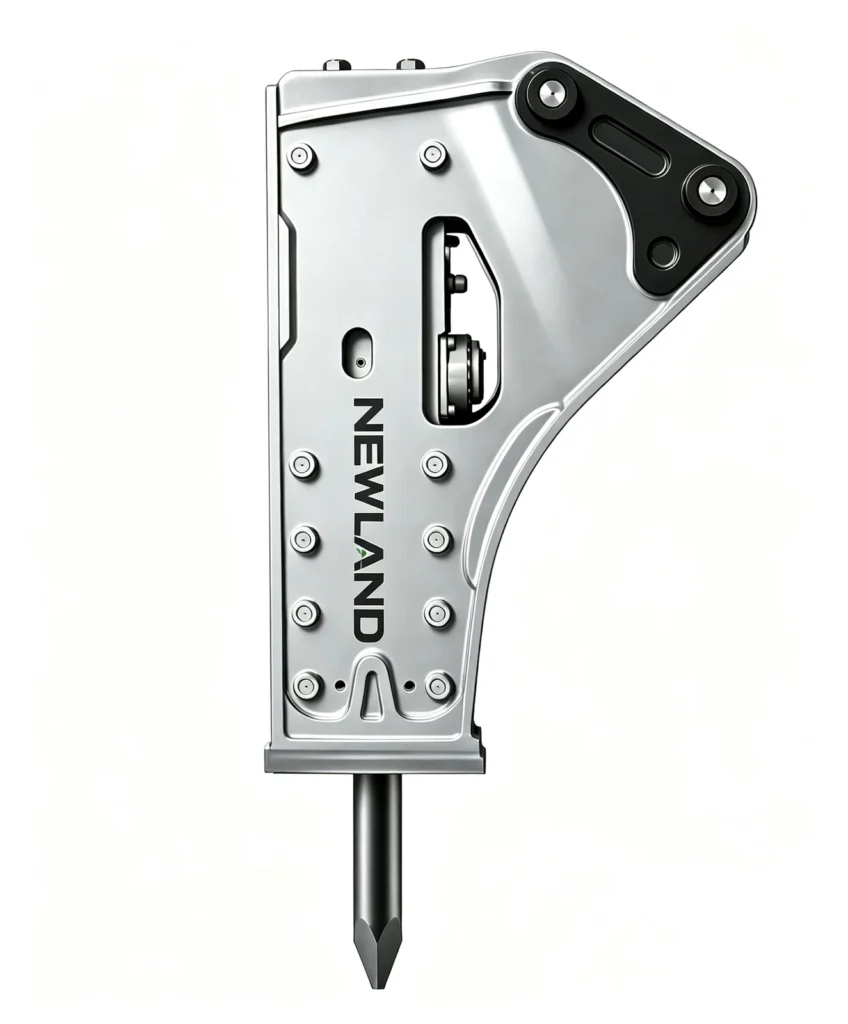
Keep the breaker model, serial reference and available identification photographs together. Record the carrier used with it and the date of any configuration change. If several breakers share a workshop or move between machines, use a clear internal equipment label as well as the original product identity.
Store the applicable instructions and any relevant drawings beside that record. Identify the document version and the equipment it covers. A general checklist cannot establish a lubrication specification, service interval or technical setting for an unidentified breaker. Mark a missing document as a missing item so the next reviewer can see the gap.
When the carrier or mounting arrangement changes, keep the compatibility review separate from the maintenance history. The hydraulic breaker selection guide explains the carrier and connection information to organize for that discussion.
Separate the schedule from work already completed
A planned task and a completed task are different records. Build the schedule from the applicable equipment documentation and the maintenance arrangements established by the responsible qualified personnel. Put the source beside each task so an interval can be checked against the right reference.
| Record field | What belongs in it |
|---|---|
| Equipment identity | The exact breaker and relevant configuration. |
| Task reference | The instruction or approved maintenance reference used. |
| Planned work | The task and timing established for that equipment. |
| Completed work | What was done, when, by whom and under which work reference. |
| Open item | An unresolved question, required document or follow-up decision. |
Do not mark a task complete because a replacement component was ordered. Record the purchase, the work and any subsequent inspection under their own references. This makes it possible to distinguish parts waiting to be installed from work already carried out.
Keep observations separate from inspection findings
An operator’s observation is useful information, but it is different from a diagnosis. Record the reported symptom and when it was noticed. Attach an existing photograph or report with its date and equipment reference. If the description is uncertain, keep that uncertainty visible.
A qualified inspection may add measured results and a conclusion. Keep those findings with the inspection reference, including the units and conditions where relevant. Do not turn an informal description such as “weak hammer” into a confirmed piston or cylinder requirement without the supporting assessment.
If the breaker is not operating normally, use the breaker troubleshooting information checklist to organize the existing observations. Follow the applicable equipment instructions and site procedures for decisions about continued operation and inspection.
Record component changes as identifiable events
For each documented component change, connect the part reference with the work record and the equipment identity. Keep the quantity, drawing revision where relevant and the description of any defined assembly. A note saying “new parts fitted” is difficult to use later when the purchasing team needs to identify the same item.
Separate a component’s reference from its observed condition. A worn or damaged item can supply useful identification details, but its current measurements may not describe the intended replacement accurately. Keep the relevant drawing or confirmed supply reference with the history instead of relying only on an old photograph.
The breaker parts identification guide provides a general reference checklist. For a purchase involving several components, retain a numbered item list rather than combining all items under one broad description.
Carry the record into the next parts inquiry
When a confirmed maintenance finding creates a parts requirement, the equipment record should make the request easier to describe. Send the relevant identity, component reference and required quantity. Include the inspection finding where it explains the requested scope, and keep unrelated history available without making it the main purchasing description.
Review the NEWLAND breaker parts categories to find the appropriate component page. A named category is a starting point for an inquiry; the proposed reference and supply scope still need confirmation for the actual breaker.
Preparing a replacement-parts request? Send NEWLAND the numbered component list and supporting equipment records. State what has been identified and which references remain unresolved so the quotation discussion starts from a clear requirement.
Continue with the relevant product or guide
Hydraulic Breaker Storage: Preparing for Inactivity and Return to Work
Hydraulic Breaker Operation in Cold and Hot Weather
Hydraulic Breaker Gas and Nitrogen: What to Confirm Before Charging
Hydraulic Breaker Service Life: Why Wear Develops and What to Track
Hydraulic Breaker Troubleshooting: What to Record Before a Parts Inquiry