NEWLAND PRODUCTS
Hydraulic Breakers for Underwater Work
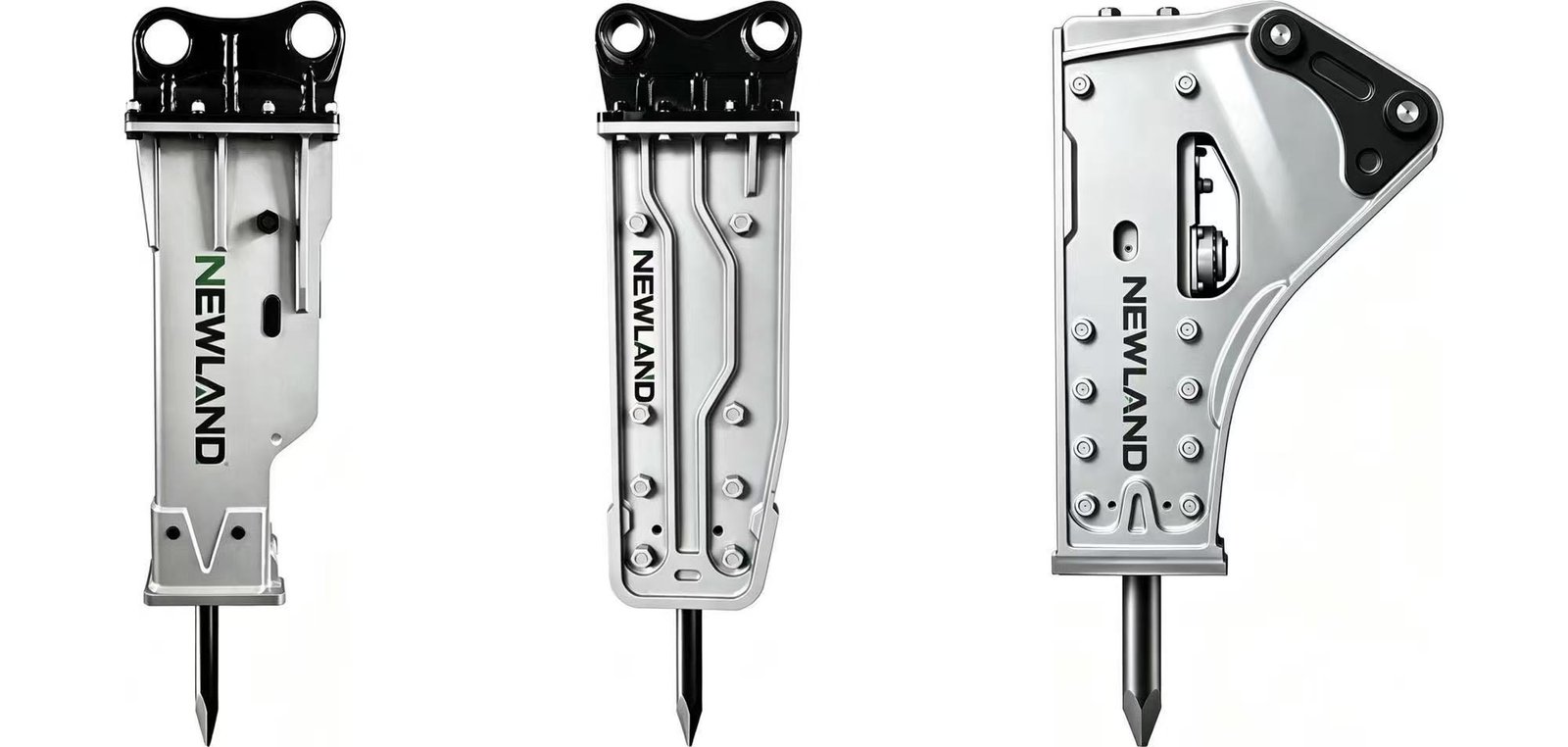
NEWLAND breaker range — reference image
NEWLAND supplies hydraulic breaker configurations for underwater work through a project-specific product inquiry. A submerged application needs its operating conditions, carrier and supporting systems defined before selection. Tell us the water environment, intended working depth and task so the proposed configuration and required supporting equipment can be reviewed together, with the actual use requirements documented for the identified product.
Define a submerged application explicitly
An underwater requirement should be stated at the start of the inquiry. A standard breaker should not be assumed suitable for submerged use because its carrier can reach the work. The intended depth, duration, water conditions and breaking task all belong in the proposed product configuration review.
NEWLAND supplies the agreed underwater-work requirement with the applicable assembly and supporting-system scope identified. Describe whether the breaker will move between submerged and above-water tasks and how the project team plans access, handling and inspection. These details help distinguish the real application from a general product request.
Prepare the project and carrier brief
Provide the available site information and identify any condition that remains to be resolved by the project team. The selection record should combine the environment with the carrier’s mounting and hydraulic information. A breaker-only quotation is incomplete when the required supporting arrangements have not been defined.
| Project field | Information to provide |
|---|---|
| Water environment | Fresh or salt water and relevant site conditions |
| Working depth | Intended operating depth and variation |
| Duty | Task, exposure duration and working pattern |
| Carrier | Machine, mounting and hydraulic record |
| Supporting arrangements | Required systems, connections and available equipment |
Keep the configuration and instructions together
Ask the quotation to identify the proposed underwater configuration and its supporting items. The relevant product documentation should state the actual use requirements and limits. Avoid transferring an above-water model’s assumptions to a submerged job or using a broad underwater label as a substitute for those documents.
The project also needs its own work plan and appropriate technical review. This page defines the information for product supply; it does not prescribe underwater operation, supporting-system settings or a method for carrying out work around people or structures.
Questions about underwater breakers
Can an ordinary breaker be used underwater without changes?
Do not assume that it can. Identify the actual breaker and submerged application, then obtain the configuration-specific requirements before selecting equipment for that job.
Is supporting equipment included?
The offer should list it expressly. Describe the systems and connections required for your project and identify any equipment already available, so the proposed supply boundaries remain clear.
Can the same unit return to above-water work?
State that intended use during selection. Any transition, inspection and service requirements must come from the documentation for the actual supplied configuration, rather than a general assumption about all breakers.
CONTINUE EXPLORING
Related products and guides
Hydraulic Breakers
Box, Side and Top Type Hydraulic Breakers: How to Compare the Layouts
Hydraulic Breakers for Special Working Conditions
How to Choose a Hydraulic Breaker
CONTACT NEWLAND
Request pricing and availability
Send the product or component, equipment model, quantity and delivery country. Include photos or a part reference where available.
Send your inquiry
Include the product or part, quantity and delivery country. For replacement parts, add the breaker model, part number or key dimensions if available.
Have photos or drawings? Email them to gordon@newlandbreaker.com. Please also read our privacy notice.