NEWLAND NLB SERIES
NEWLAND NLB Series Hydraulic Breakers
NEWLAND breaker range — reference image
This catalog presents selected NEWLAND NLB hydraulic breakers, with examples from NLB40 to NLB210. Contact us for additional models and configurations. The catalog pairs each model with a suggested excavator weight range, required oil flow, operating pressure and working-tool diameter. Use these figures together to narrow your choice before checking the carrier’s attachment limits and mounting interface.
Among the models shown, NLB40, has a 40 mm tool and a 0.8–2.5 Ton excavator range. NLB210 has a 210 mm tool and a 60–75 Ton excavator range. Several models overlap in carrier weight, so the nearest model number or the largest tool diameter does not settle the choice.
Featured models represent part of our range. Contact us for other models, excavator weight ranges and tool diameters.
Compare NLB models by the requirements that matter
Use the catalog to create a shortlist, then compare the complete attachment package. The displayed NLB models are examples from part of the range. If your carrier, tool diameter or required configuration is not shown, ask about other specifications.
| Your starting point | How to use the model tables | Next check |
|---|---|---|
| I know my excavator size | Look for rows whose suggested carrier range includes your operating weight. | Read the required oil flow and operating pressure for each candidate; overlapping weight ranges do not make the models interchangeable. |
| I know my auxiliary circuit | Compare documented attachment flow and pressure with each candidate row. | Check the complete installed mass, return-line requirements and mounting arrangement. |
| I need a particular tool diameter | Find the nominal diameter in the catalog. | Confirm the full working-tool profile and application; diameter alone does not choose the breaker. |
| I am replacing an existing attachment | Record the current assembly, carrier and mounting details. | Compare the proposed specification and supply scope rather than matching a similar model number. |
Which specification should take priority?
Carrier weight, hydraulic compatibility and permitted attachment mass must be considered together. A larger model number or higher listed impact energy cannot replace these checks. Choose the Box, Top or Side housing with the mounting and work conditions in view.
Turn a shortlist into a comparable quotation
Compare quotes for the same assembly: breaker and housing, mounting bracket, working tool, hoses and any adapters. Total attachment weight depends on these items; use the weight of the quoted configuration when checking the carrier’s attachment limit.
For working-tool orders, continue to chisels and rods. For component replacement, use the parts identification routes rather than assuming that the same housing name establishes a part match.
Email us your requirementsYour email app will open with a checklist. Fill in the details and attach any photos or drawings before sending.
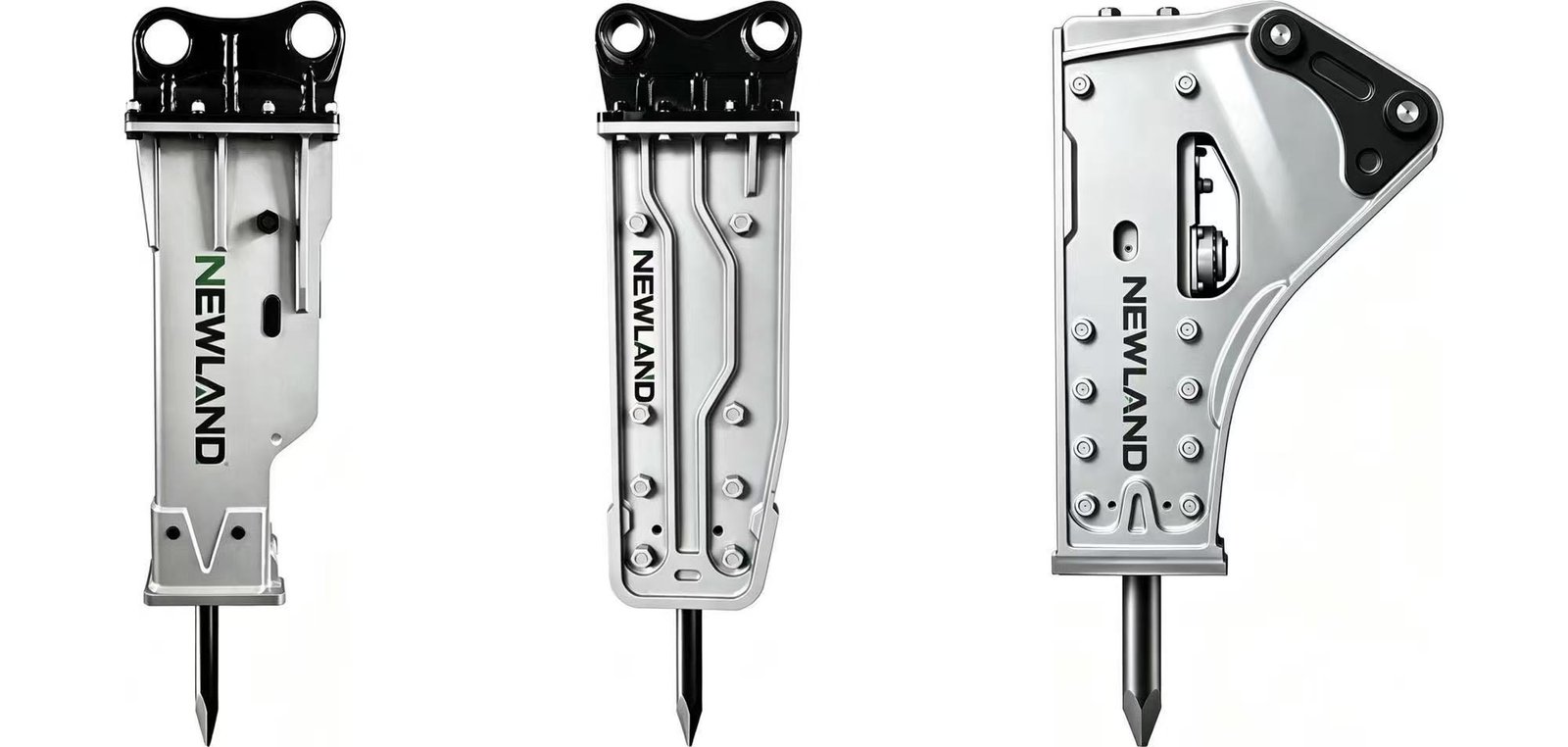
Three hydraulic breaker housing types
Choose Box Type, Top Type or Side Type, then explore the models shown. Ask us about additional models and configurations.
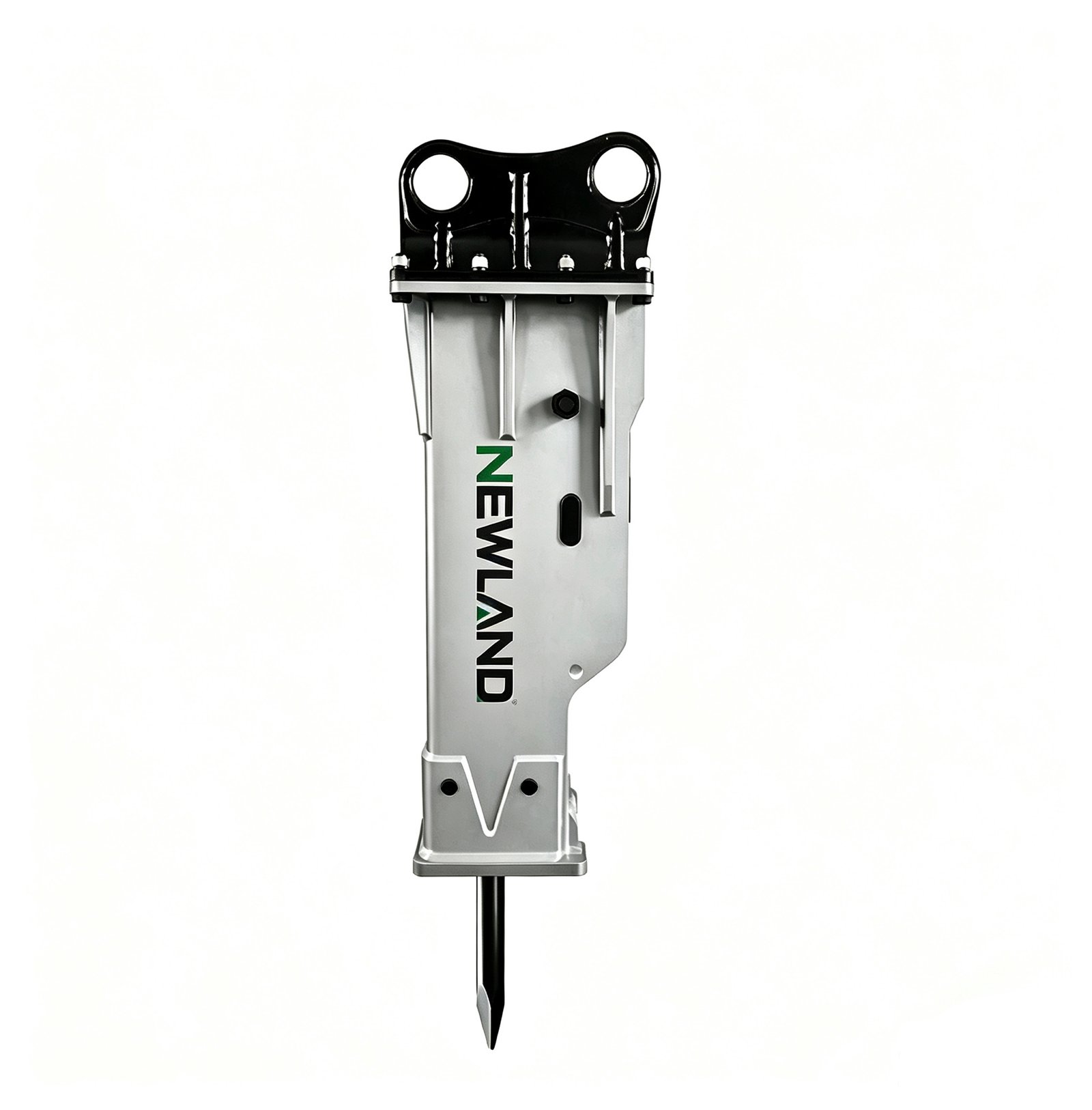
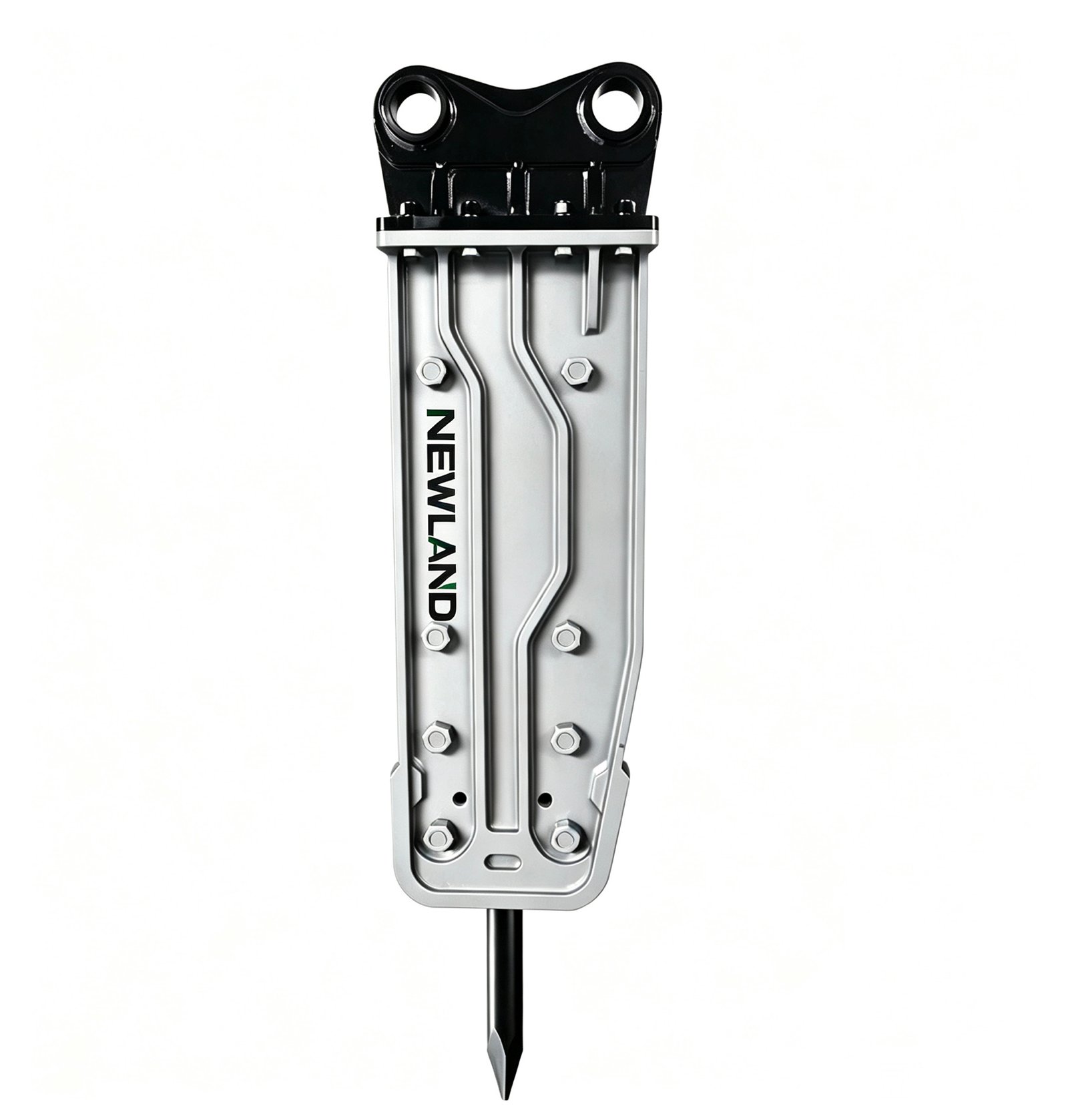
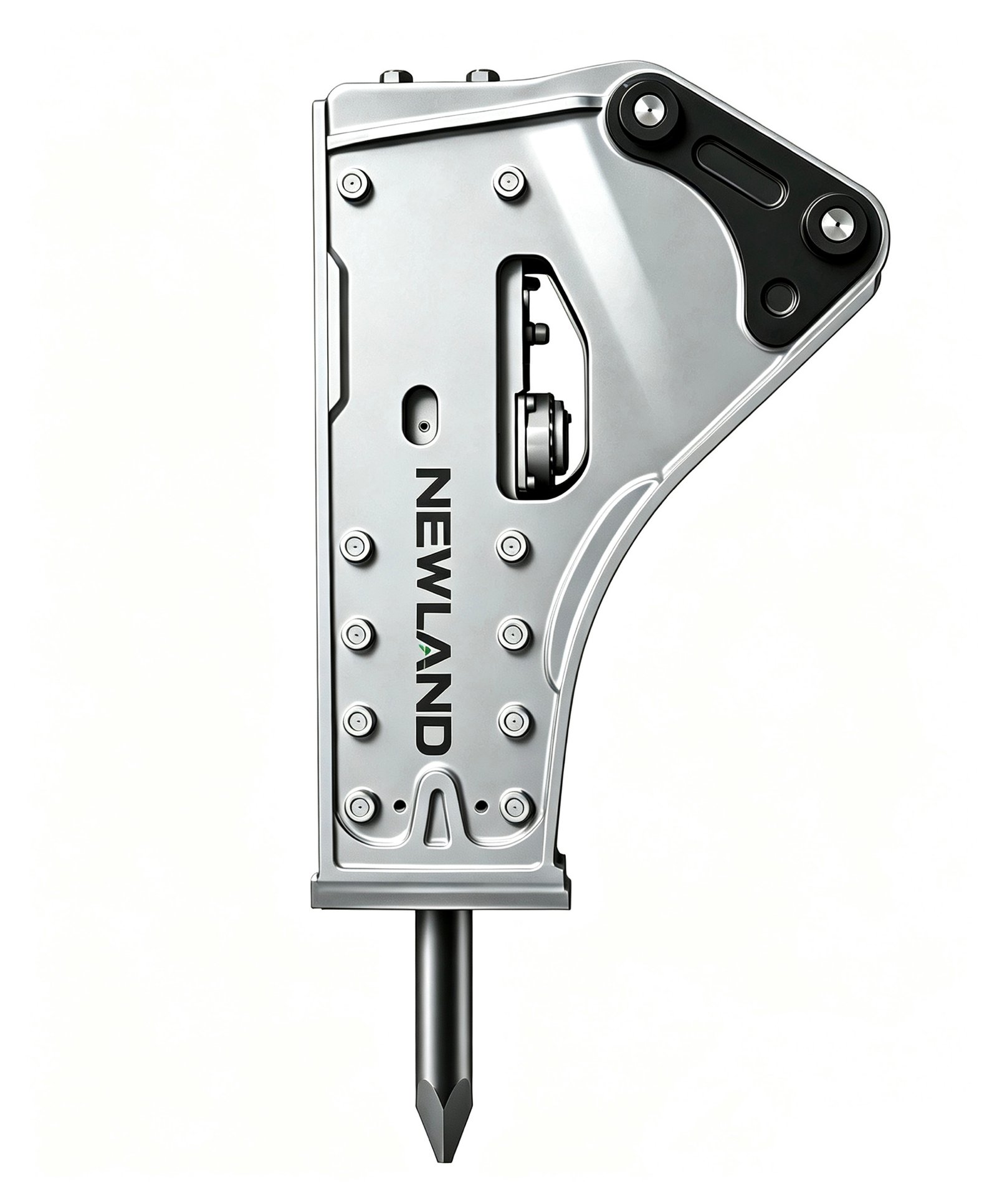
Choose a housing for your NLB model
Each NLB model below links to Box Type, Top Type and Side Type products. Compare the series specifications first, then confirm the mounting arrangement and total weight for the selected housing.
Explore NLB models
Excavator weight ranges are a first selection filter. Check every candidate against the carrier’s documented auxiliary flow, operating conditions, attachment mass limits and mounting dimensions.
| Model | Suggested excavator weight (Ton) | Listed breaker operating weight (kg) | Tool diameter (mm) | Required oil flow (L/min) | Operating pressure (bar) |
|---|---|---|---|---|---|
| NLB40 | 0.8-2.5 | 102 | 40 | 15-30 | 90-120 |
| NLB45 | 1.2-3.0 | 129 | 45 | 20-40 | 90-120 |
| NLB53 | 2.5-4.5 | 168 | 53 | 25-50 | 90-120 |
| NLB68 | 4-7 | 325 | 68 | 40-70 | 110-140 |
| NLB75 | 6-9 | 413 | 75 | 50-90 | 120-150 |
| NLB85 | 7-14 | 629 | 85 | 60-100 | 130-160 |
| NLB100 | 10-15 | 948 | 100 | 80-110 | 150-170 |
| NLB120 | 12-18 | 1463 | 120 | 115-150 | 160-180 |
| NLB125 | 15-18 | 1427 | 125 | 90-120 | 150-170 |
| NLB135 | 18-25 | 1766 | 135 | 125-160 | 160-180 |
| NLB140 | 18-26 | 1978 | 140 | 120-180 | 160-180 |
| NLB150 | 25-35 | 2519 | 150 | 175-220 | 160-180 |
| NLB155 | 28-35 | 2896 | 155 | 180-240 | 180-200 |
| NLB160 | 40-55 | 3076 | 160 | 200-250 | 160-180 |
| NLB165 | 30-40 | 3117 | 165 | 200-260 | 180-200 |
| NLB175 | 40-55 | 4390 | 175 | 210-290 | 180-200 |
| NLB195 | 50-60 | 5039 | 195 | 240-290 | 220-280 |
| NLB200 | 50-65 | 6205 | 200 | 260-300 | 220-280 |
| NLB210 | 60-75 | 6550 | 210 | 300-330 | 220-280 |
Operating weights are listed as series reference figures. Confirm the quoted housing, mounting bracket, working tool and other included components when assessing the complete attachment mass.
Excavator ranges retain the listed unit Ton. Confirm the weight-unit basis when comparing these ranges with carrier documentation that uses other ton units.
Impact, pressure and hose specifications
| Model | Setting pressure (bar, as listed) | Listed impact energy (J) | Impact rate (blows/min) | Hose diameter (inch) |
|---|---|---|---|---|
| NLB40 | 150 | 203 | 800-1400 | 1/2 |
| NLB45 | 150 | 271 | 700-1200 | 1/2 |
| NLB53 | 150 | 406 | 600-1100 | 1/2 |
| NLB68 | 170 | 677 | 500-900 | 1/2 |
| NLB75 | 180 | 1017 | 400-800 | 1/2 |
| NLB85 | 190 | 1355 | 400-800 | 3/4 |
| NLB100 | 200 | 2033 | 350-700 | 3/4 |
| NLB120 | 210 | 2646 | 350-650 | 1 |
| NLB125 | 210 | 2711 | 350-650 | 1 |
| NLB135 | 210-230 | 3692 | 350-600 | 1 |
| NLB140 | 210-230 | 4067 | 350-500 | 1 |
| NLB150 | 210 | 5193 | 300-450 | 1 |
| NLB155 | 240-260 | 6779 | 300-450 | 1-1/4 |
| NLB160 | 210 | 10388 | 300-400 | 1-1/4 |
| NLB165 | 240-260 | 10846 | 250-350 | 1-1/4 |
| NLB175 | 260-280 | 12202 | 250-350 | 1-1/4 |
| NLB195 | 300-310 | 17088 | 180-200 | 1-1/4 |
| NLB200 | 300-310 | 21360 | 150-200 | 1-1/4 |
| NLB210 | 300-330 | 26520 | 100-150 | 1-1/4 |
Impact energy in joules and impact rate in blows per minute are separate catalog values. Read them with the approved specification and intended operating conditions.
Setting pressure is listed separately from operating pressure. Confirm the applicable installation documentation for the selected build; the catalog values are not a field-adjustment procedure.
Where excavator ranges overlap
NLB120 is listed for 12–18 Ton excavators and NLB125 for 15–18 Ton excavators. Their required flows differ: 115–150 L/min for NLB120 and 90–120 L/min for NLB125. A carrier in the shared weight range may therefore have a different hydraulic fit for each model.
NLB125 uses a 125 mm tool, compared with 120 mm on NLB120, but its listed operating weight is lower: 1,427 kg against 1,463 kg. Read the complete row instead of assuming that the larger model number means every specification increases.
Narrow the choice in three checks
- Find the rows covering the actual excavator’s operating weight, then compare their listed breaker mass with the permitted complete attachment arrangement.
- Compare required oil flow and operating pressure with the documented attachment circuit. Keep any return-line restrictions and connection requirements in the review.
- Check the mounting drawing, quoted housing, working tool and application before confirming the model and supplied components.
An example for a 15 Ton excavator
The listed weight ranges of NLB100, NLB120 and NLB125 all include 15 Ton. Their required flow ranges are 80–110, 115–150 and 90–120 L/min respectively. If a documented attachment circuit supplies 115 L/min, that figure falls within the NLB120 and NLB125 ranges and above the listed NLB100 range.
This flow check narrows the candidates. It does not approve the installation: operating pressure, complete attachment mass and mounting geometry still need to match the actual carrier.
Confirm the complete breaker configuration
The listed excavator range is an initial selection screen. Check the actual auxiliary circuit, complete attachment mass, return-line requirements and mounting dimensions before confirming the model. Box Type identifies an enclosed housing layout; the series table does not by itself confirm the weight or availability of every housing version.
For replacement working tools, nominal diameter is one identification point. Match the upper profile, retaining features and length to the correct model drawing.
How to choose a hydraulic breaker
Understand flow, pressure and the return line
NLB chisels and working tools
Request an NLB model quotation
Request a quotation for your selected NLB model
Include the candidate model, carrier identity, documented attachment flow and pressure, mounting details, quantity and delivery country. The quotation should identify the housing and supplied components.
Send your inquiry
Include the product or part, quantity and delivery country. For replacement parts, add the breaker model, part number or key dimensions if available.
Have photos or drawings? Email them to gordon@newlandbreaker.com. Please also read our privacy notice.